A Million-Yuan Space Trip: A Thrill Ride or a Cosmic Dream?
9/27/2026#太空旅游#商业航天#高交会#科技观察
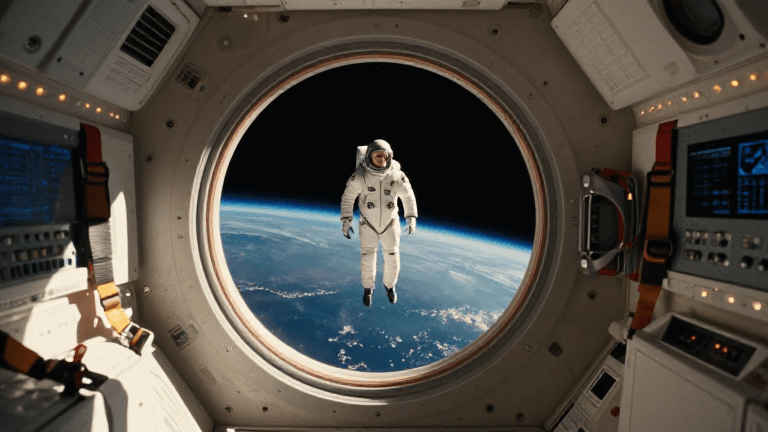
Guys, I’ve been getting really frustrated watching the Shenzhen High-Tech Fair lately. I thought I’d get to see the China Aerospace Science and Technology Corporation’s new “Space Tourism” project make its debut, but they didn’t even put up a display board. I’ve been waiting this long—I’ve been hearing since 2018 that we’d be able to go to space this year—but they’re acting like it’s none of my business. Honestly, while the 1 million yuan ticket price isn’t cheap, it’s nothing compared to SpaceX’s $55 million. A SpaceX flight to the International Space Station costs 350 million yuan—enough to buy over 100 apartments.
But is it really worth 1 million? For someone like me who can’t even bring myself to buy 20 pieces of clothing in a year, that amount is definitely a bit steep. But let’s compare international prices: SpaceX charges $55 million—or 350 million RMB—to send you to the International Space Station, while Blue Origin’s first suborbital flight ticket costs $28 million—enough for an entire fleet of Rolls-Royces. So, a 1 million RMB ticket doesn’t seem quite so outrageous after all. Although the price is high, at least I can still consider it—which is better than not being able to afford it at all.
Deep Blue Aerospace is already selling tickets for space travel on Taobao Live: 1 million yuan each, for a 12-minute flight with 5 minutes of weightlessness. Just imagine those 12 minutes: you’ll watch the Earth’s curve recede further and further into the distance, while the darkness of space closes in on you. Unfortunately, suborbital flights don’t reach first cosmic velocity, so they can’t orbit the Earth. This space journey simply goes up and comes back down—and then your 1 million is gone. However, these tickets sold out instantly as soon as they went on sale; even with the money, you couldn’t snag one.
Is 1 million too much? Based on current costs, this industry’s output value is projected to reach $13 billion by 2030, with a market of fewer than 100,000 people. Deep Blue Space’s maiden flight is scheduled for 2027, while China Aerospace Science and Technology’s manned space tourism program won’t launch until 2028. Anyway, there aren’t many years left, so we still need to drive down the cost of rocket recovery—ideally to 100,000 yuan per flight. If that happens, the number of participants could increase by more than tenfold. If we turn this into an international tourism project that generates foreign exchange and attracts wealthy people from all over the world, wouldn’t that be wonderful?
Folks, if it were me, would I consider spending 100,000 yuan on a space trip? To be honest, 100,000 yuan for a trip to space is about the same as riding a super-thrill roller coaster. But just think about it: for 100,000 yuan, you could experience weightlessness, watch the curve of the Earth recede further and further from you, and feel the darkness of the universe closing in. That dream is simply mind-blowing. If it really could become a reality, I’d definitely give it some thought. However, we still have to face reality—after all, not everyone can afford that 100,000 yuan.