Cutting-Edge Lithium-Ion Battery Technology: Offering Soda to Haters?
9/15/2026#锂电池#电池回收#新能源#绿色科技
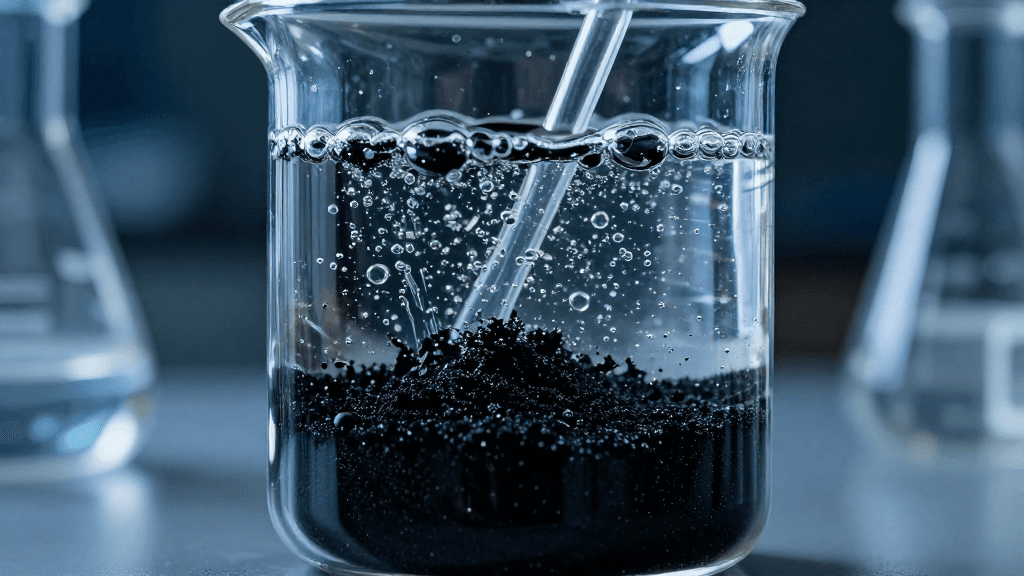
Everyone, there’s been another wave of cutting-edge developments in domestic lithium-ion battery technology research recently. Speaking of which, the material extracted from dismantled used lithium-ion batteries is called “black powder”—and what about that drink? Water with carbonation—that’s soda water. It really is a brilliant idea: recovering 95% of the lithium through something we drink. Our country has placed a major bet on meeting lithium resource demands in the new energy era. Lithium is known as “white oil” and is a strategic mineral for the nation. Although we’ve discovered large deposits in recent years, demand is simply too high, with imports accounting for 50% of our needs. In these uncertain times, the recycling and reuse of lithium resources are of great significance. Especially during this window period when power batteries are being decommissioned on a massive scale, recycling volumes and market share are rising rapidly.
There are three methods for recycling lithium-ion batteries. The first is direct recycling—mechanical disassembly, crushing, and sorting—which has low energy consumption and minimal pollution. However, in practice, the high purity requirements for raw materials mean this method isn’t always suitable. The second method involves high-temperature smelting, which can recover nickel and copper but has a low lithium recovery rate, high energy consumption, and emits exhaust gases. The third method involves leaching valuable metals using acids and alkalis. While it achieves high recovery rates, the resulting waste liquid is difficult to treat and places a heavy environmental burden. Consequently, foreign media and environmental organizations have begun to criticize battery recycling as “pseudo-environmental.”
Is it possible to balance efficiency and environmental protection? Scientists have found a new solution: giving “black powder” a glass of soda. Doesn’t that sound pretty cool? How exactly does it work? First, a controlled mechanochemical treatment is performed. This involves grinding the battery black powder in a ball mill, which disrupts the arrangement of lithium and other metals, creating a structurally disordered material with a lithium-rich surface. This makes it easier for lithium to react with carbon dioxide and water. Next, carbon dioxide and water are used to gently dissolve the lithium from the battery—and carbon dioxide mixed with water is, after all, soda! This method recovers over 95% of the lithium, with an efficiency comparable to high-temperature smelting. The remaining metals—such as cobalt, nickel, and manganese—are not discarded but are upcycled for other industrial applications, such as catalysts. The entire process requires only water and carbon dioxide—the most common industrial raw materials—and needs no abrasives or chemical reagents. It operates at room temperature, making it safe and economical, while also capturing carbon dioxide. How wonderful!
Of course, existing recycling processes can’t be completely overhauled overnight, but once this method is successfully scaled up, it will have significant implications for the development of electric vehicles, grid energy storage, and the green energy supply chain. Folks, our scientists are truly brilliant—recycling lithium batteries simply by “drinking” them is nothing short of astonishing!