Pentecostalism: Cult or Religious Revolution?
9/17/2026#五旬节派#基督教#草根宗教运动#宗教与政治
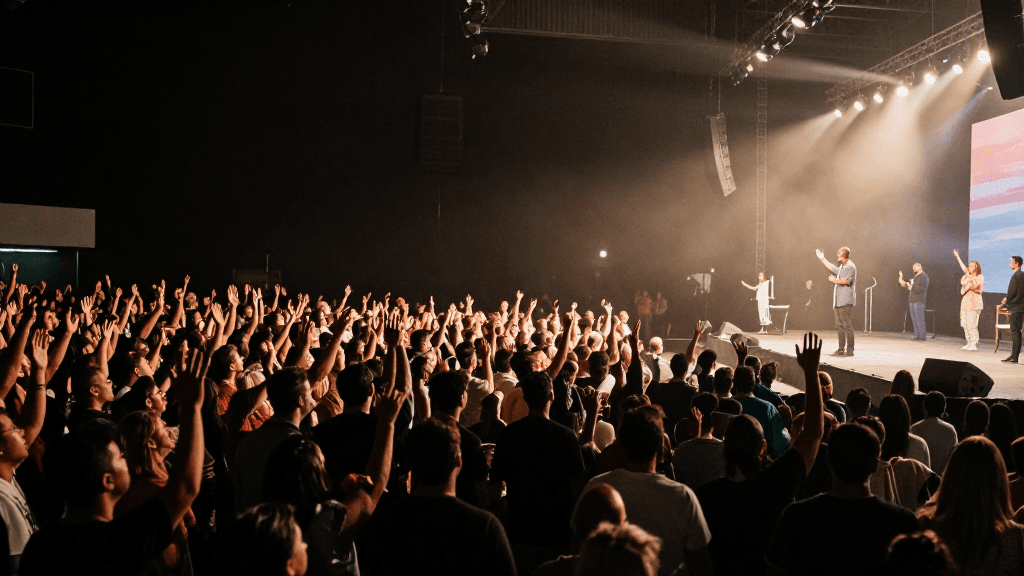
Everyone, today let’s talk about a pretty interesting religious phenomenon—the Pentecostal movement. These folks are pulling off all sorts of bizarre stunts around the world, from “resurrecting” corpses to drinking rat poison—all kinds of absurd antics that make us “normal” people just shake our heads in disbelief.
First, let’s talk about this “resurrecting corpses” stunt. In 2019, a South African pastor named Lukau actually pretended to be dead inside a coffin and then suddenly “came back to life.” People couldn’t believe their eyes and started imitating him, turning “resurrection” into an overnight internet sensation. The scene was beyond awkward.
The Pentecostal movement wields considerable influence worldwide. In many countries, it has become a powerful weapon in electoral politics. For example, in the United States, Pentecostals have become Trump’s staunchest supporters. In Brazil, Catholic believers have been co-opted by Pentecostal pastors through various protests and incitement—so much so that even WhatsApp had to change its rules. In the Philippines, the Pentecostal movement provided the spiritual backing for Duterte’s war on drugs. Even on the Korean Peninsula, the influence of traditional Christianity is being gradually eroded by the Pentecostals.
Why do Pentecostals hold such immense appeal? Because they emphasize direct communication between the individual and God, as well as the gifts of the Holy Spirit. They believe that as long as you believe in Jesus, the Holy Spirit will descend upon you, granting you supernatural abilities—such as speaking in tongues, healing the sick, or drinking poison without dying. These “miracles” directly heighten the frequency of believers’ interactions with God, making everyone feel that God is right by their side.
However, the funniest part is that they’ve actually developed a whole system of “interactive design.” For example, they often have believers “speak in tongues” in church, but these “tongues” are usually made up on the spot. Sometimes, to prove they’ve received “grace,” believers will do absurd things, like drinking rat poison. It’s nothing more than a massive theatrical performance.
In 1906, the Azusa Street Revival marked the beginning of the Pentecostal movement. In that dilapidated warehouse—a small, run-down 220-square-meter building—believers packed the space, praising God loudly and rolling on the floor, regardless of race, gender, or age. It was nothing short of a carnival—a carnival of faith.
The two most famous figures were Seymour and his mentor, Parham. Seymour brought together believers of different races and even allowed female pastors to preach from the pulpit. This was truly big news at the time. As a result, Parham, feeling ashamed and outraged that white people were imitating Black people, ended up joining the Ku Klux Klan.
In short, the Pentecostal movement was a religious revolution of this kind—though somewhat unorthodox, its influence cannot be underestimated. From raising the dead to drinking poison and surviving, their “miracles” thrilled the faithful. Behind these “miracles,” however, lay the powerful force of faith and community.